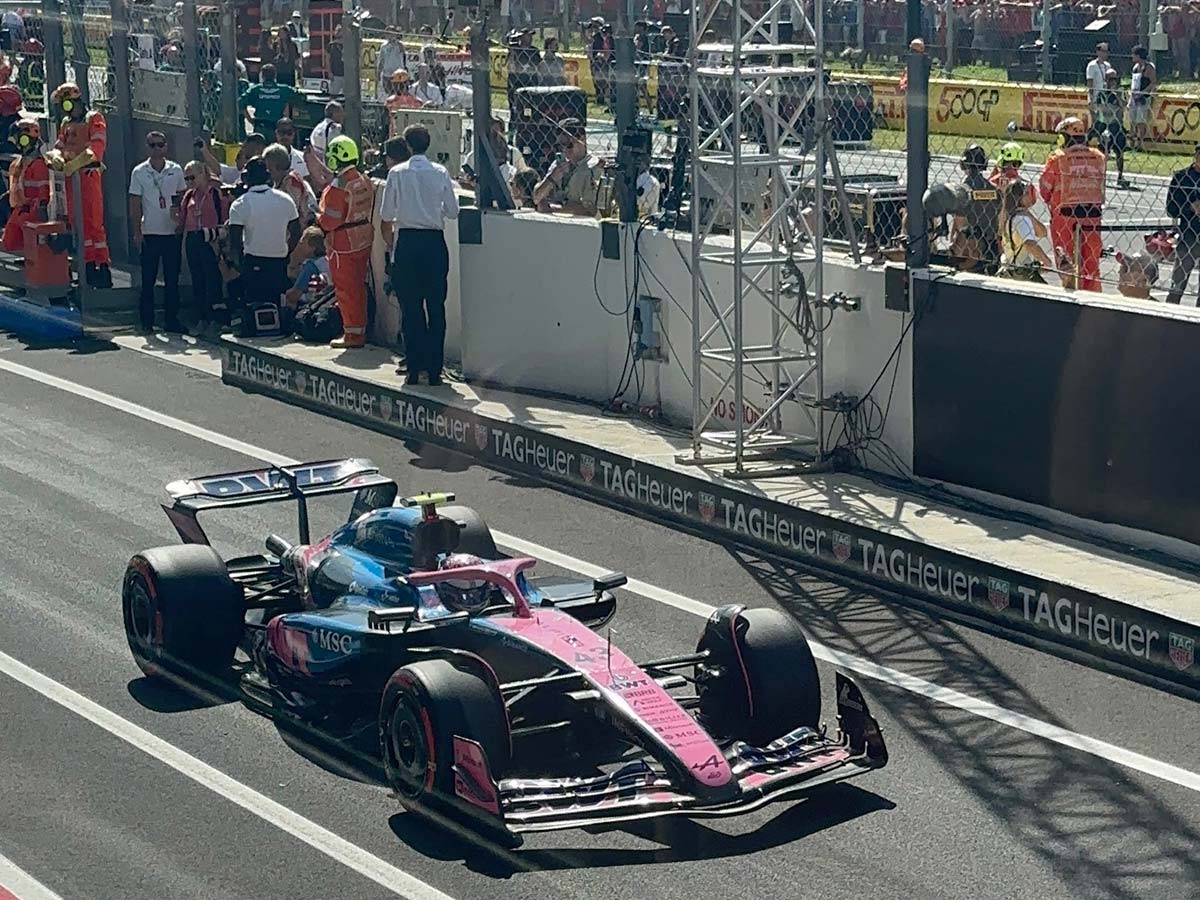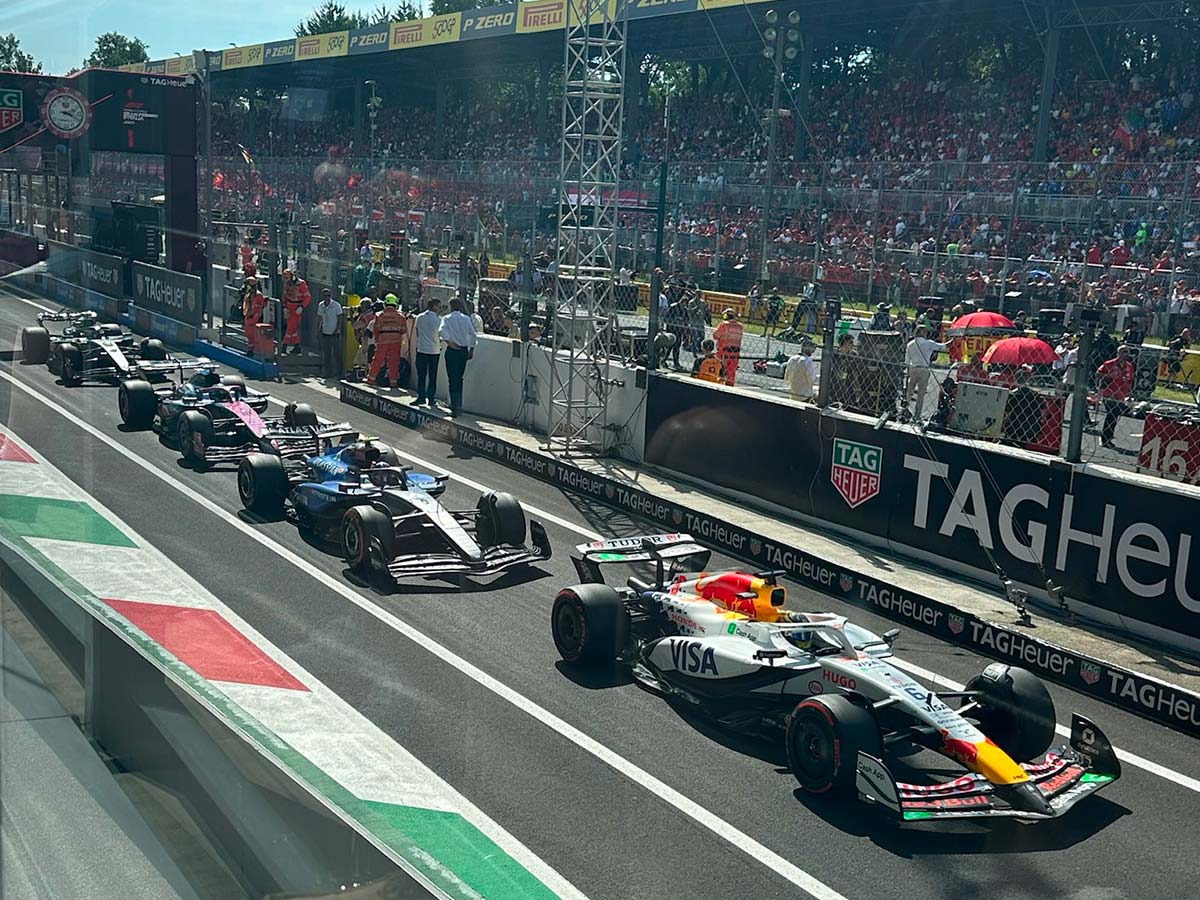
The Italian Grand Prix is one of the most historic and prestigious races in the world of Formula 1. Steeped in tradition, passion, speed, and emotion, the event has become synonymous with the spirit of motorsport itself. Held primarily at the legendary Monza circuit near Milan, the Italian Grand Prix has produced some of the greatest moments in Formula 1 history and remains one of the most anticipated races on the calendar every season.
Known as “The Temple of Speed,” Monza is adored by drivers and fans alike for its incredible atmosphere, high-speed straights, passionate tifosi, and rich racing heritage. Few sporting venues in the world can match the sense of history and emotion generated during an Italian Grand Prix weekend.
The Origins of the Italian Grand Prix
The Italian Grand Prix first took place in 1921, making it one of the oldest Grand Prix events in motor racing history. The inaugural race was held at Montichiari before moving to Monza in 1922, where the event would establish its long-lasting identity.
Monza itself was built in just 110 days and quickly became one of Europe’s premier racing circuits. Constructed within the Royal Villa of Monza parkland, the circuit combined natural beauty with terrifying speed. It was also one of the world’s first purpose-built motor racing tracks.
Since the creation of the Formula 1 World Championship in 1950, the Italian Grand Prix has been present on almost every single calendar. Alongside events such as the Monaco Grand Prix and British Grand Prix, it is regarded as one of Formula 1’s crown jewel races.
Remarkably, Monza has hosted more Formula 1 World Championship races than any other circuit in history.
Why Monza is Called “The Temple of Speed”
Monza earned its famous nickname because of its incredibly fast layout. The circuit features long straights, sweeping corners, and heavy braking zones that allow Formula 1 cars to reach some of the highest speeds seen all season.
Throughout its history, Monza has consistently delivered breathtaking velocity. Cars often exceed 220 mph on the start-finish straight, while teams run extremely low downforce setups to maximise straight-line performance.
The circuit’s most famous corners include:
- Curva Grande
- Variante della Roggia
- Lesmo 1 and 2
- Ascari Chicane
- Parabolica (now officially Curva Alboreto)
These corners have challenged generations of drivers and produced countless iconic moments.
Monza’s combination of speed and narrow margins leaves little room for error. Drivers must attack kerbs aggressively while maintaining precision through the chicanes. A small mistake can easily end a race weekend.
The Legendary Banking at Monza
One of the most fascinating aspects of Monza’s history is its famous high-speed banking. In 1955, Monza introduced a steeply banked oval section inspired by American speedways such as Indianapolis.
The banking allowed cars to maintain astonishing speeds and created a dramatic visual spectacle. Formula 1 races at Monza during this period used a combination of the road circuit and oval layout, resulting in terrifyingly fast laps.
However, the banking also became notorious for its danger. The rough surface and immense forces placed huge strain on both cars and drivers. Many competitors disliked using the banking, and several boycotted races because of safety concerns.
Today, the abandoned banking still stands inside the Monza park and remains one of motorsport’s most iconic landmarks. Fans visiting the circuit often walk along the historic structure to experience a piece of Formula 1 history.
Ferrari and the Passion of the Tifosi
No team is more closely associated with the Italian Grand Prix than Ferrari. For Ferrari fans, winning at Monza is often considered more important than any other race on the calendar.
The tifosi, Ferrari’s passionate supporters, create one of the most electrifying atmospheres in world sport. Thousands of fans dressed in red fill the grandstands, wave giant Ferrari flags, and cheer wildly whenever a Ferrari driver appears on track.
When Ferrari wins at Monza, the celebrations become legendary.
Some of Ferrari’s most memorable Italian Grand Prix victories include:
- Michael Schumacher’s dominant wins during the early 2000s
- Charles Leclerc’s emotional victory in 2019
- Fernando Alonso’s win in 2010
- Sebastian Vettel’s Ferrari podium appearances
The atmosphere during podium ceremonies at Monza is unlike any other Formula 1 event. Fans flood beneath the podium to celebrate with drivers, creating unforgettable scenes.
Historic Winners of the Italian Grand Prix
Over the decades, many of Formula 1’s greatest legends have won the Italian Grand Prix.
Michael Schumacher enjoyed tremendous success at Monza, taking multiple victories during Ferrari’s dominant era. His emotional connection with the tifosi helped cement his status as one of Ferrari’s greatest-ever drivers.
Lewis Hamilton also became highly successful at Monza, showcasing his speed and precision at one of Formula 1’s most demanding circuits.
Ayrton Senna, Alain Prost, Niki Lauda, Nelson Piquet, Juan Manuel Fangio, and Jackie Stewart all produced memorable performances at Monza during their careers.
One of the most surprising winners came in 2008 when Sebastian Vettel secured a sensational victory for Toro Rosso in wet conditions. At just 21 years old, Vettel became the youngest Formula 1 race winner at the time.
Pierre Gasly’s shock victory in 2020 also created one of Monza’s most emotional modern moments. Driving for AlphaTauri, Gasly capitalised on a dramatic race filled with incidents and penalties to claim an unforgettable maiden Formula 1 victory.
Monza and Tragedy in Motorsport History
While Monza is celebrated for its speed and excitement, the circuit has also witnessed several tragic moments throughout motorsport history.
During Formula 1’s earlier decades, safety standards were far lower than today. The high speeds at Monza often resulted in severe accidents.
One of the darkest moments occurred in 1978 when Swedish driver Ronnie Peterson suffered fatal injuries following a multi-car crash at the start of the race. Peterson was regarded as one of Formula 1’s most naturally talented drivers, and his death deeply affected the sport.
In 1961, Ferrari driver Wolfgang von Trips was killed in a horrific accident that also claimed the lives of several spectators.
These tragedies helped accelerate safety improvements in Formula 1 and motorsport more broadly. Over time, Monza underwent several modifications to reduce speeds and improve driver protection.
Today’s circuit remains extremely fast but is vastly safer than during Formula 1’s dangerous early eras.
The Italian Grand Prix and Formula 1 Culture
The Italian Grand Prix represents much more than simply another race weekend. It embodies the passion, tradition, and emotional intensity that make Formula 1 unique.
For many fans, attending Monza is considered a pilgrimage. The atmosphere throughout race week is incredible, with fans gathering in Milan and around the circuit to celebrate motorsport culture.
The combination of Italian cuisine, historic surroundings, Ferrari passion, and Formula 1 heritage creates a special experience unlike any other sporting event.
Drivers themselves often describe Monza as one of their favourite circuits. The sensation of driving at maximum speed through Curva Grande and Ascari remains one of Formula 1’s ultimate thrills.
Even modern Formula 1 cars, despite their advanced aerodynamics and hybrid technology, still face a unique challenge at Monza because of the circuit’s emphasis on efficiency and top-end speed.
Record-Breaking Speeds at Monza
Monza has been the setting for numerous Formula 1 speed records over the years.
In qualifying trim, Formula 1 cars at Monza regularly achieve average lap speeds exceeding 160 mph. The combination of powerful hybrid engines and reduced drag makes the circuit one of the fastest on the calendar.
The 2020 Italian Grand Prix qualifying session saw Lewis Hamilton record one of the fastest laps in Formula 1 history by average speed.
Slipstreaming also plays a major role at Monza. Drivers often use the tow from cars ahead during qualifying to gain additional speed along the straights. This creates fascinating tactical battles as teams attempt to position their drivers perfectly.
Memorable Modern Italian Grand Prix Moments
The Italian Grand Prix has continued to produce dramatic moments in recent years.
Charles Leclerc’s victory in 2019 was particularly emotional because it ended Ferrari’s long wait for a home win at Monza. The Monegasque driver defended brilliantly against Lewis Hamilton and Valtteri Bottas, sending the tifosi into celebration.
The 2021 Italian Grand Prix produced another unforgettable moment when Max Verstappen and Lewis Hamilton collided dramatically at the Rettifilo chicane during their intense championship battle.
Daniel Ricciardo’s victory for McLaren in that same race also marked the team’s first win in nearly a decade.
Monza consistently delivers unpredictable races thanks to its layout, overtaking opportunities, safety cars, and slipstream battles.
Why the Italian Grand Prix Remains Special
Despite Formula 1 expanding globally with new circuits and modern venues, the Italian Grand Prix remains one of the sport’s true classics.
Monza’s unique character cannot easily be replicated. The history, atmosphere, speed, and emotional connection between Ferrari and the tifosi create something truly special.
Every Formula 1 driver dreams of winning at Monza. Every team understands the prestige attached to success at the Italian Grand Prix. For fans, it remains one of the greatest spectacles in motorsport.
As Formula 1 continues to evolve, the Italian Grand Prix stands as a reminder of the sport’s rich heritage and enduring appeal. From the roar of the tifosi to the thunder of Formula 1 cars racing through the parkland circuit at incredible speed, Monza continues to capture the imagination of motorsport fans around the world.
Few sporting events combine history, passion, and drama quite like the Italian Grand Prix, ensuring its place as one of Formula 1’s most iconic and beloved races for generations to come.