A shock Move From Ricciardo to Renault
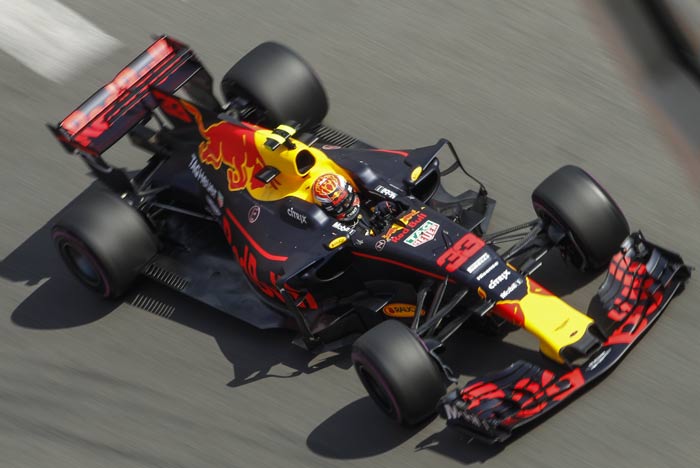
In August 2018, the Formula 1 world was stunned by one of the most unexpected driver transfers in recent history when Daniel Ricciardo announced he would leave Red Bull Racing to join Renault for the 2019 Formula 1 season. The move shocked fans, teams, and even senior figures within the paddock, as Ricciardo had long been considered one of Red Bull’s star drivers and a future world championship contender.
At the time, many expected Ricciardo to remain with Red Bull alongside rising superstar Max Verstappen. Instead, the Australian driver made the bold decision to leave one of Formula 1’s leading teams for a Renault outfit that was still rebuilding after returning to the sport as a constructor.
The transfer immediately became one of the biggest talking points in Formula 1 and remains one of the most fascinating career decisions of the modern era.
Daniel Ricciardo’s Rise Through Formula 1
Daniel Ricciardo had established himself as one of Formula 1’s most exciting and popular drivers long before the 2018 transfer announcement. Born in Perth, Australia, Ricciardo progressed through the Red Bull junior programme and steadily climbed the motorsport ladder.
After making his Formula 1 debut with HRT in 2011, Ricciardo moved to Toro Rosso, Red Bull’s junior team, where he impressed with his speed, racecraft, and calm personality.
His big breakthrough came in 2014 when he was promoted to Red Bull Racing alongside four-time world champion Sebastian Vettel. Many expected Vettel to comfortably dominate the young Australian, but Ricciardo quickly proved himself to be one of the sport’s elite talents.
During the 2014 season, Ricciardo outperformed Vettel on several occasions and secured his first Formula 1 victories. His aggressive overtaking style, late braking ability, and infectious smile made him a fan favourite around the world.
As Vettel departed for Ferrari at the end of 2014, Ricciardo became Red Bull’s leading driver and was widely viewed as a future world champion.
The Arrival of Max Verstappen
One of the key factors behind Ricciardo’s eventual departure was the rapid rise of Max Verstappen.
Verstappen joined Red Bull Racing midway through the 2016 season after impressing at Toro Rosso. The Dutch driver immediately won his debut race for Red Bull at the Spanish Grand Prix, becoming the youngest race winner in Formula 1 history.
Over the following seasons, Verstappen developed into one of the fastest and most aggressive drivers on the grid. Red Bull increasingly began to build its long-term future around the young Dutchman.
Although Ricciardo remained highly competitive and continued winning races, Verstappen’s growing influence within the team created a noticeable shift in the team dynamic.
Many observers felt Red Bull saw Verstappen as their future world championship project, while Ricciardo risked becoming the second driver despite his experience and achievements.
Tension and Frustration at Red Bull
By 2018, several factors were contributing to Ricciardo’s uncertainty about his future at Red Bull.
One major issue was reliability. Red Bull’s partnership with Renault engines had produced mixed results, with Ricciardo suffering numerous mechanical failures and grid penalties. Although the Red Bull chassis was often highly competitive, the team lacked the overall package to consistently challenge Mercedes and Ferrari for championships.
Ricciardo endured several painful retirements during the 2018 season despite strong performances. Reliability frustrations appeared to affect his confidence in the team’s long-term direction.
Another key factor was the growing internal rivalry with Verstappen. While the two drivers generally maintained a positive relationship publicly, Verstappen’s increasing status within Red Bull became difficult to ignore.
The situation reached a dramatic point during the 2018 Azerbaijan Grand Prix when Ricciardo and Verstappen collided while battling each other. The crash eliminated both Red Bull cars from the race and created significant tension within the team.
Although Red Bull management publicly supported both drivers, many believed the team’s future focus had already shifted firmly toward Verstappen.
The Shock Renault Announcement
On 3 August 2018, Renault officially announced that Daniel Ricciardo would join the team for the 2019 Formula 1 season.
The announcement sent shockwaves through Formula 1.
Very few people had predicted the move. Ricciardo had been heavily linked with either staying at Red Bull or potentially joining Ferrari or Mercedes in the future. Instead, he chose Renault, a team that was still fighting in the midfield.
Even Red Bull team principal Christian Horner admitted he was surprised by Ricciardo’s decision.
The move was considered extremely risky. Renault had shown signs of progress since returning as a works team in 2016, but they remained significantly behind Mercedes, Ferrari, and Red Bull in terms of outright competitiveness.
However, Ricciardo believed Renault’s long-term project offered him a better chance of eventually fighting for championships.
Why Ricciardo Chose Renault
Several reasons likely influenced Ricciardo’s decision to leave Red Bull for Renault.
Firstly, Ricciardo reportedly wanted a fresh environment where he could become the undisputed lead driver. At Renault, he would arrive as the team’s superstar signing and central figure.
Secondly, the Australian may have felt Red Bull’s increasing focus on Verstappen limited his future opportunities within the team.
Thirdly, Renault offered a highly lucrative contract reportedly worth around $35 million per season, making Ricciardo one of Formula 1’s highest-paid drivers at the time.
Renault’s ambition also played a role. The French manufacturer had publicly committed to rebuilding itself into a championship-winning team. Ricciardo appeared attracted by the challenge of helping lead that project.
Additionally, Red Bull’s upcoming switch from Renault to Honda engines for 2019 created uncertainty. At the time, Honda still had reliability concerns despite showing signs of improvement with Toro Rosso.
Ricciardo may have questioned whether Honda could immediately provide a title-winning power unit.
Reaction Across Formula 1
The Formula 1 paddock reacted with widespread surprise to Ricciardo’s announcement.
Many drivers, team bosses, and analysts struggled to understand why Ricciardo would voluntarily leave a race-winning team for a midfield operation.
Some praised his bravery and willingness to take a risk, while others believed he was making a major mistake.
Fans were similarly divided. Some admired Ricciardo’s independence and desire for a new challenge, while others feared he was sacrificing his best opportunity to compete for championships.
The move also triggered a major driver market shuffle across Formula 1. Carlos Sainz eventually moved to McLaren, while Red Bull promoted Pierre Gasly to replace Ricciardo alongside Verstappen.
In hindsight, the transfer would significantly influence the direction of several teams and drivers over the following years.
Ricciardo’s Final Months at Red Bull
Despite announcing his departure midway through 2018, Ricciardo remained professional throughout the rest of the season.
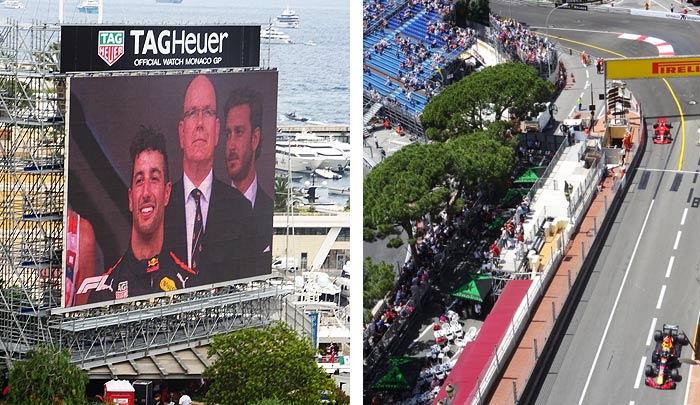
He continued delivering strong performances and secured memorable victories, including his famous Monaco Grand Prix win earlier that year despite severe engine problems.
However, the second half of the season proved frustrating. Ricciardo suffered multiple retirements and reliability failures, further reinforcing concerns about Red Bull’s situation at the time.
By the end of 2018, Ricciardo appeared emotionally ready for a new chapter in his Formula 1 career.
The Renault Years
Ricciardo joined Renault for the 2019 Formula 1 season alongside Nico Hulkenberg.
Although Renault improved gradually, the team struggled to consistently challenge the leading constructors. Ricciardo delivered several strong performances and podium-level drives but rarely had machinery capable of competing for victories.
The Australian remained highly respected for his overtaking ability and racecraft, but the move failed to deliver the championship challenge many had hoped for.
In 2020, Ricciardo achieved two podium finishes for Renault, including an emotional third place at the Eifel Grand Prix. These results demonstrated his continued quality despite the team’s limitations.
However, Ricciardo eventually decided to leave Renault for McLaren beginning in 2021.
How History Views the Decision
Looking back, Daniel Ricciardo’s move from Red Bull to Renault remains one of Formula 1’s most debated transfers.
On one hand, the decision arguably prevented him from competing in Red Bull’s later championship-winning era with Verstappen. Red Bull would eventually dominate Formula 1 once again, while Ricciardo struggled to find a long-term winning opportunity elsewhere.
On the other hand, staying at Red Bull may have resulted in Ricciardo becoming increasingly overshadowed by Verstappen as the team’s clear number one driver.
Many Formula 1 fans still wonder what might have happened had Ricciardo remained with Red Bull during the Honda era.
Nevertheless, the move demonstrated Ricciardo’s willingness to take risks and follow his own instincts rather than simply remaining in a comfortable situation.
Daniel Ricciardo’s Legacy
Despite the mixed results of the Renault move, Daniel Ricciardo remains one of Formula 1’s most popular and respected drivers.
His personality, humour, sportsmanship, and aggressive driving style made him a fan favourite throughout his career.
Ricciardo’s victories with Red Bull, particularly his overtaking performances and late-braking moves, remain among the highlights of modern Formula 1.
The 2018 Renault transfer also added another fascinating chapter to his story. It showcased the difficult decisions Formula 1 drivers must make when balancing team politics, future opportunities, financial security, and championship ambitions.
Even years later, Formula 1 fans continue debating whether Ricciardo made the right choice by leaving Red Bull.
Regardless of the outcome, the decision remains one of the sport’s boldest and most surprising driver transfers of the modern Formula 1 era.